
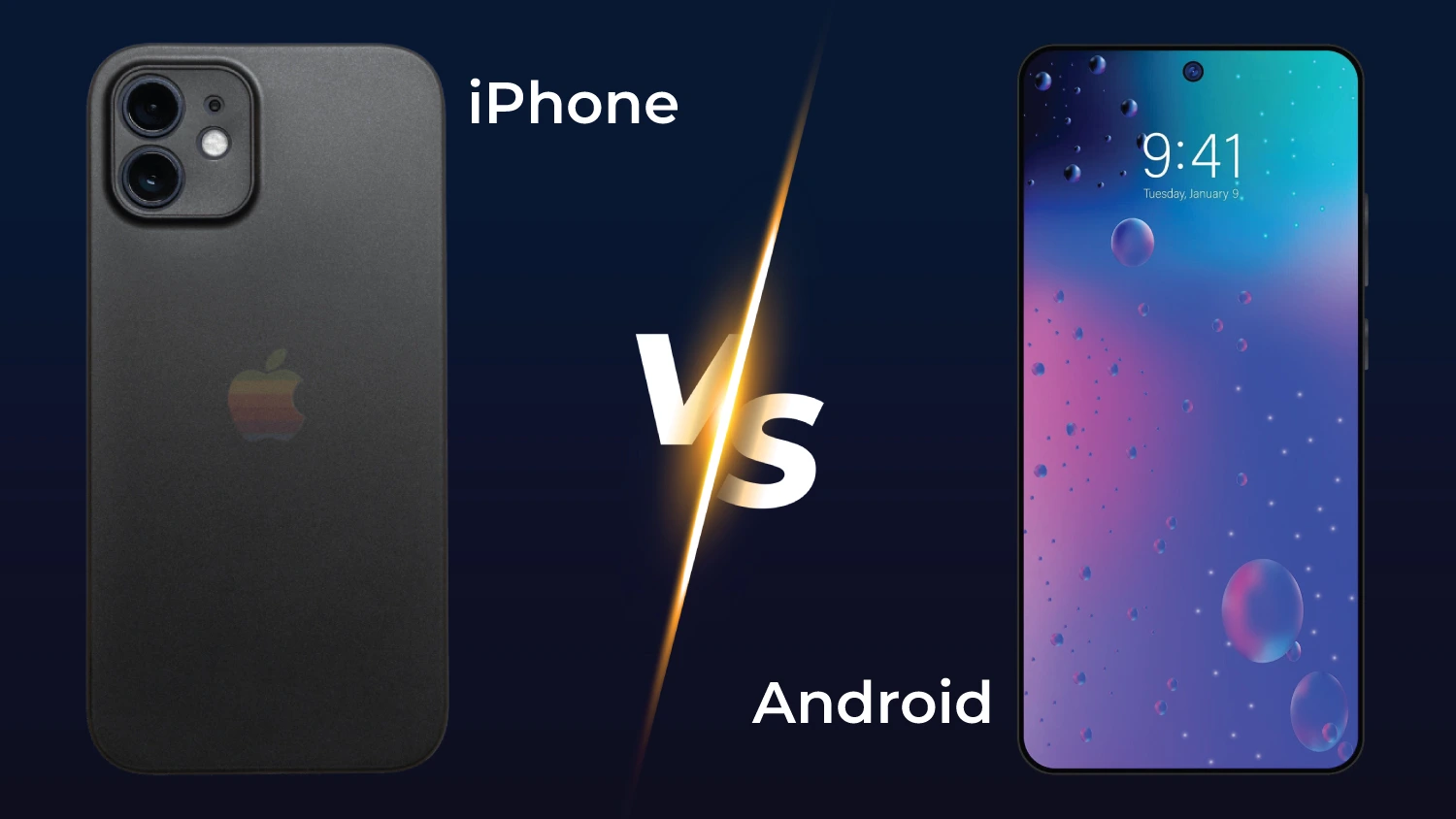
In 2025, the smartphone world continues to evolve at a blistering pace. Both iPhone and Android ecosystems have matured into powerful, feature-rich environments – each with its unique advantages, loyal user bases, and compelling reasons to choose them. But which one is truly better for you in 2025? In this comprehensive guide, we’ll break down every aspect, helping you make an informed decision based on your lifestyle, preferences, and priorities.
The battle between iPhone and Android is as old as modern smartphones themselves. From the first touchscreen revolution to today’s AI-driven intelligent assistants and foldable displays, both ecosystems have transformed significantly. In 2025, the choice between iPhone and Android isn’t just about hardware – it’s about ecosystems: how devices, services, apps, and experiences interconnect.
At Gadget Radar Pro, we dissect these ecosystems to help you choose not just the best phone – but the best digital life.
Evolution of Smartphones by 2025
The year 2025 marks a new era where smartphones are no longer isolated devices. They’re the command centers for your digital world – controlling everything from wearable tech and smart homes to cloud services and AI integrations.
Key evolutions:
- AI-first experiences embedded natively into UI
- Seamless cloud and cross-device continuity
- Ultra-fast processing with AI accelerators
- Sustainable, repair-friendly hardware
Both iPhone and Android ecosystems have pushed the boundaries – but in different directions. Let’s explore what makes each stand out.
What Makes an Ecosystem Great?
Before diving deep, it’s essential to understand what an ecosystem truly is:
A smartphone ecosystem includes all interconnected devices, services, apps, platforms, and the overall experience that binds them together.
A strong ecosystem should offer:
- Seamless cross-device interactions
- Consistent user experience
- Broad app support
- Long-term security & updates
- Customization options
- Value for money
With these criteria in mind, let’s examine the two giants.
Apple iPhone Ecosystem: Strengths & Highlights
Apple’s ecosystem has always been synonymous with tight integration, premium experiences, and long-term support. In 2025, these strengths are stronger than ever.
Unified Experience
From iPhone to MacBook, iPad, Apple Watch, and AirPods, Apple devices communicate beautifully:
- Handoff between devices
- Universal clipboard
- Instant file transfers with AirDrop
This synergy creates a frictionless experience that few competitors can match.
Privacy & Security Leadership
Apple continues to champion user privacy with robust on-device processing, minimal tracking, and transparent permission systems.
Consistent Updates
iPhones receive years of consistent OS updates, keeping devices secure and feature-rich long after purchase.
Premium App Ecosystem
The App Store remains a bastion for high-quality apps optimized specifically for Apple hardware – driven by a unified platform and strict quality controls.
Android Ecosystem: Strengths & Highlights
Android isn’t a single brand – it’s a diverse ecosystem powering a massive range of devices from brands like Samsung, Google, Xiaomi, and more.
Freedom & Customization
Android shines in flexibility – from widgets to launcher apps, users can personalize almost every part of their experience.
Device Diversity
Want a foldable phone? A budget flagship? Or a premium camera-centric device? Android covers it all, offering more variety than iPhone.
Google Services Integration
For users steeped in Google services – Gmail, Drive, Photos, Maps – Android delivers the tightest integration and seamless connectivity.
Innovative Hardware Features
Manufacturers experiment more aggressively on Android – introducing unique hardware, displays, camera tech, and form factors often before iPhone.
Performance & Hardware
Both ecosystems feature powerful hardware optimized for performance:
Processing Power
- iPhone (Apple Silicon): Known for class-leading performance per watt and efficiency, making it ideal for AI tasks and sustained workloads.
- Android Flagships: Using top-tier Snapdragon/Google Tensor chips, Android devices are on equal footing – especially in multitasking and AI workloads.
Cameras
- iPhone: Consistent, reliable results with natural tones and strong video capabilities.
- Android: Often leads in camera innovation with high-resolution sensors and computational photography.
Battery & Charging
Android tends to win in fast charging speeds and battery flexibility. iPhone focuses on balanced performance and longevity.
Software & AI Capabilities
2025 is the year of AI-driven smartphone experiences.
- iOS 19 AI features focus on contextual intelligence, proactive suggestions, and enhanced security.
- Android 15+ AI tools leverage Google’s extensive machine learning platform to deliver predictive behaviors and smart automation.
Both ecosystems are locked in a software arms race, making smart phones more intuitive than ever.
App Experience & Compatibility
The app ecosystem is a core differentiator:
Apple App Store
- Curated and secure
- Strong developer support
- Premium app monetization
Google Play & Third-Party Android Stores
- Massive app availability
- More room for experimental apps
- Wider hardware support
For users who favor exclusive apps and polished experiences, iPhone still holds an edge. But Android’s broader reach and experimentation attract a different kind of user.
Privacy, Security & Updates
Security remains a top priority:
Apple
- Strong on-device privacy
- Limited tracking
- Frequent updates
- Transparent permissions
Android
- Improved security with Google Play Protect
- More hardware partners – sometimes leading to delayed updates
- Greater visibility but variable control
Apple leads in consistency, while Android provides flexible but fragmented security experiences based on device brands.
Customization & User Freedom
If personalization is your priority:
- Android wins with customizable launchers, widgets, icons, and deeper system tweaks.
- iPhone focuses on simplicity and polish, with customization that’s user-friendly but intentionally limited.
Price, Value & Accessibility
Android offers a wide range of pricing – from budget to ultra-premium – making it accessible to many users. iPhones generally sit in the premium segment but deliver long-term value through updates and resale value.
Which Ecosystem Is Right for You? (Use-Case Breakdown)
| User Type | Best Ecosystem | Why? |
|---|---|---|
| Creative Professional | iPhone | Premium apps, consistent performance, seamless media workflows |
| Power User / Tinkerer | Android | Deep customization, hardware options |
| Budget-Focused Buyer | Android | Wide range of affordable devices |
| Privacy Enthusiast | iPhone | Strong privacy & security stance |
| Google Service User | Android | Best integration with Google ecosystem |
| Apple Device Owner | iPhone | Cross-device continuity |
Emerging Trends in Smartphone Ecosystems
In 2025, several trends are shaping the future of mobile:
AI Everywhere
Smartphones are no longer just hardware; they’re AI companions – offering predictive assistance and intelligent automation.
Cross-Device Intelligence
From smartwatches to AR glasses, future devices will rely on ecosystem interoperability more than ever.
Modular Innovation
Android brands lead with hardware experimentation – foldable, rollable, and hybrid devices.
Privacy-First Computing
Users increasingly demand transparency and control over their data – pushing both ecosystems to innovate responsibly.
Conclusion
By 2025, both iPhone and Android ecosystems offer compelling, high-end experiences. Choosing between them depends on your priorities:
- Want integrated experiences, privacy, and deep continuity? The iPhone ecosystem is unmatched.
- Crave customization, diversity, and innovation? Android delivers on flexibility and choice.
At Gadget Radar Pro, we believe the best ecosystem is the one that fits your digital life – not just the one with the highest benchmarks or most features.
FAQs
Is Android better than iPhone in 2025?
Both ecosystems are awesome – Android excels in customization and variety, while iPhone leads in ecosystem polish and long-term support.
Are iPhones more secure than Android phones?
Apple’s tightly controlled ecosystem and consistent updates give iPhones an edge, but Android’s security has also improved significantly.
Which ecosystem gets updates faster?
iPhone wins in consistency – with devices receiving updates for many years. Android updates vary by manufacturer.
Is Apple’s ecosystem more expensive?
Generally, yes. Apple’s premium design and long-term support come with a higher initial cost.
Can Android and iPhone work together?
Yes – apps like Google services make basic cross-platform communication possible, but deep continuity features are limited.
Which is better for gaming in 2025?
Both are excellent. iPhone often delivers optimized performance, while Android offers a broader range of hardware choices.


