
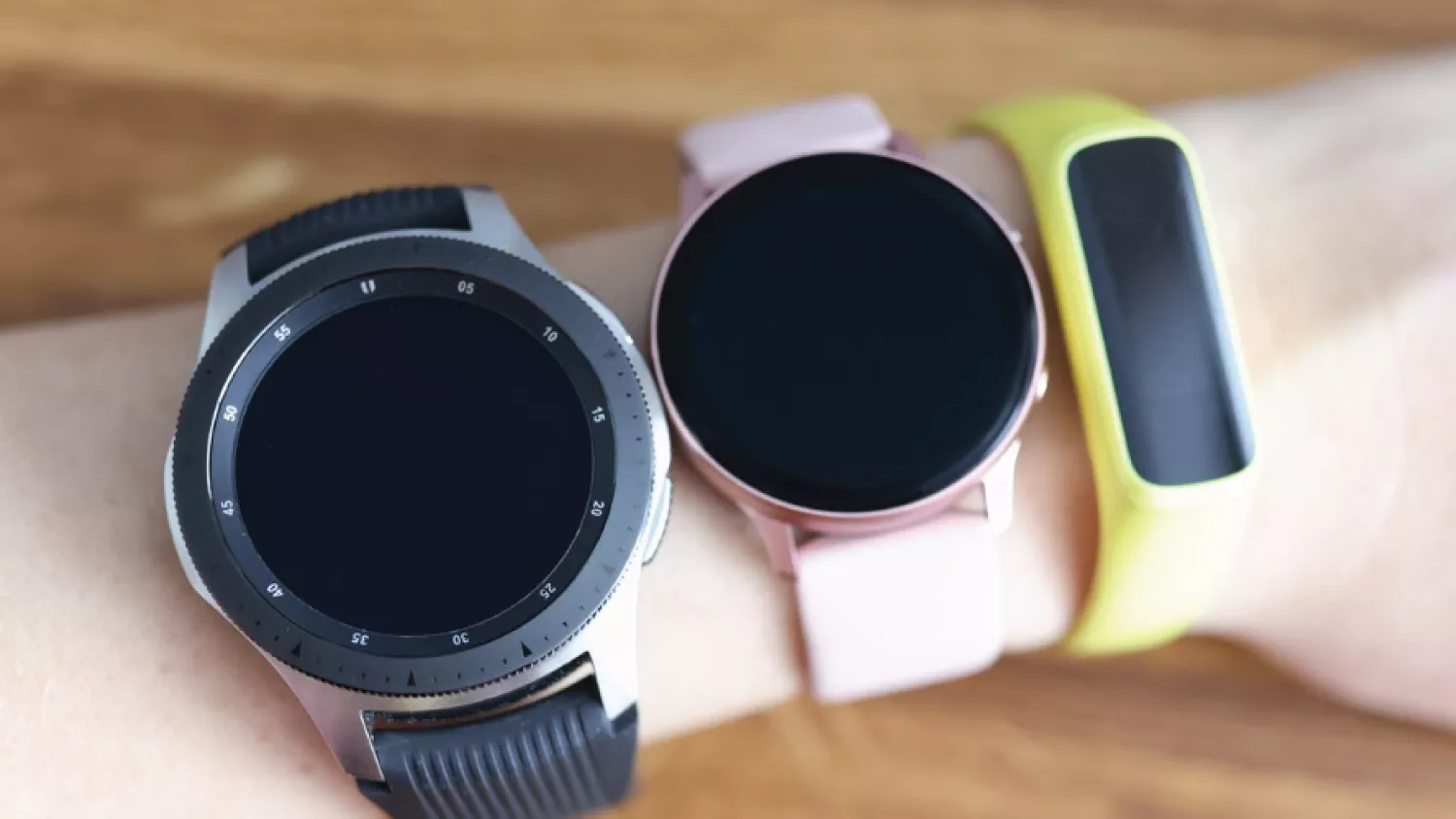
Wearables have gone from niche fitness gadgets to everyday tech essentials. But when shopping, you’ll face a key choice: a full-featured smartwatch or a lean, activity-focused fitness band. Each category has strengths and trade-offs. This guide breaks down the differences clearly so you can match features to your daily needs, budget, and style. Whether you want to track workouts, take calls, or simply measure sleep-by the end you’ll know which wearable fits your life.
At-a-glance comparison: smartwatch vs fitness band
- Smartwatch: Bigger screen, rich apps, notifications, calling, music controls, sometimes cellular, advanced sensors. Good for people who want a mini smartphone on their wrist.
- Fitness band: Slim profile, long battery life, focused fitness/sleep tracking, lower cost. Great for users prioritizing comfort and endurance tracking.
Key trade-offs: functionality vs battery & comfort, cost vs capabilities.
Design & comfort: how they look and feel
Smartwatches tend to mimic miniaturized phones – a rectangular or circular display, changeable straps, and chunkier builds to accommodate larger batteries and sensors. This makes them versatile for work and workouts, but they can feel heavy during sleep.
Fitness bands are lightweight, low-profile, and often use soft fluoroelastomer or silicone bands that sit flat against the wrist. That slimness improves sleep comfort and reduces the chance of the band catching on clothing.
Design considerations:
- If you want to wear your device 24/7 (including sleep), comfort and weight matter – fitness bands win.
- If you want a watch that doubles as a fashion accessory, smartwatches offer more face styles and third-party straps.
Health & fitness tracking: accuracy and features
Both device types offer core tracking: steps, distance, calories, heart rate, and sleep. Where they differ is in depth and supporting features.
Fitness bands
- Focused activity metrics and sleep algorithms.
- Simpler UI for quick glanceable feedback.
- Often highly optimized for battery-friendly sensors.
Smartwatches
- More sensors (ECG, SpO₂, advanced motion sensors, skin temperature, sometimes blood pressure).
- Support for richer fitness apps and third-party integrations (structured workouts, guided runs, interval training).
- On-device coaching, advanced recovery metrics, route mapping (with GPS), and broader physiological analytics.
Accuracy note:
Sensor quality and algorithms determine accuracy more than category. Higher-end fitness bands may match mid-range smartwatches for step and heart-rate tracking. If you need clinical-grade accuracy (medical decisions), consult medical devices and professionals – wearables are best for trends and general wellness.
Smart features & apps: beyond steps and heart rate
If you want your wearable to do more than fitness tracking, smartwatches provide:
- Rich notifications and quick replies
- On-wrist calls and sometimes LTE connectivity
- Music controls or storage for offline playback
- A wider app ecosystem (navigation, payments, calendars, voice assistants)
- Watch faces and widgets for personalization
Fitness bands usually keep things simple: limited notifications, no app stores, and no calling from the wrist. The advantage is less distraction and a longer battery.
Battery life & charging: one of the biggest trade-offs
This is where the categories diverge most sharply.
- Fitness bands: Often last 7–21+ days on a single charge because of smaller displays and power-efficient hardware. Perfect for travelers or people who hate daily charging.
- Smartwatches: Expect 1–3 days on full-featured models; some hybrid smartwatches can stretch to a week, and ultra-power-saver modes can extend life at the cost of functionality.
Choose based on charging habits: if you’ll forget to charge often, prioritize battery life; if you can charge nightly, a smartwatch’s features may be worth it.
Durability, water resistance & sensors
Most modern wearables are swim-proof and sweat-resistant, but ratings differ:
- Water resistance: Look for ATM or IP ratings. 5 ATM is common for swim-friendly devices.
- Durability: Gorilla Glass or sapphire crystal on higher-end smartwatches; fitness bands may use tougher polycarbonate/TPU.
- Sensors: GPS (built-in vs phone-dependent), heart-rate, SpO₂, ECG, altimeter. If outdoor activity matters, built-in GPS and barometer are big pluses.
Price, ecosystem & long-term value
Price ranges:
- Fitness bands: Budget-friendly to mid-range (often $30–$150). Great value for reliable tracking.
- Smartwatches: Mid-range to premium (often $150–$700+). You pay for bigger screens, apps, and premium materials.
Ecosystem matters. A smartwatch integrated tightly with your phone OS or fitness app (e.g., Apple Watch + iPhone, Wear OS watches + Google services) will provide smoother, more powerful experiences. Consider whether your wearable provider regularly updates firmware – long-term software support extends value.
Who should choose a smartwatch? Who should choose a fitness band? (use-case guide)
Choose a smartwatch if you:
- Want on-wrist calling, messaging, and apps.
- Use your watch for navigation, music, or as a remote control during meetings or workouts.
- Prefer a larger, interactive display and customized watch faces.
- Value advanced health sensors (ECG, advanced sleep stages) or on-device coaching.
Choose a fitness band if you:
- Want the most comfortable, lightweight option for 24/7 wear.
- Need long battery life for travel or forgetful charging habits.
- Are primarily focused on straightforward fitness and sleep tracking.
- Want the best value for basic health metrics.
Future trends – the ever-evolving wearable landscape
Wearables are evolving fast. Expect the following trends to shape choices in the coming years:
- Sensor miniaturization & medical-grade features: More wearables will add clinically validated sensors (ECG, blood glucose proxies, cuffless BP), turning watches into health hubs for chronic condition monitoring.
- AI-powered insights: On-device AI will provide personalized coaching, early-warning health flags, and context-aware battery/power management.
- Interoperability: Better cross-platform syncing between devices and health platforms will let you pick devices based on features instead of ecosystems.
- Longer battery + fast-charging tech: New materials and power-management chips will close the battery gap without sacrificing a bright display.
- Sustainable materials & repairability: Expect vendors to offer longer-warranty programs and eco-friendlier materials as consumers demand longevity.
These shifts mean the right wearable today may look different in value a year from now – but core choices (comfort vs features) will likely remain the main decision drivers.
How to pick the right wearable for you (quick checklist)
Use this checklist before buying:
- Primary use: notifications and apps, or fitness tracking only?
- Battery tolerance: daily charging OK, or do you want a week+?
- Sleep & comfort: do you sleep with a device on? If yes, prioritize size and weight.
- Sensors required: GPS, ECG, SpO₂, barometer?
- Phone ecosystem: Android or iPhone – check compatibility.
- Budget: set a realistic price range and compare features at that level.
- Style: do you want a watch-like accessory or a discrete band?
- Software & updates: prefer brands with reliable updates and active apps.
FAQs
Is a fitness band accurate enough for serious workouts?
For general cardio and daily step tracking, high-quality fitness bands are accurate. For specialized sports (trail running, cycling with route mapping), a smartwatch with built-in GPS gives better performance and richer post-workout analytics.
Can I make calls from a fitness band?
Most fitness bands don’t support calls. Some newer bands offer limited call notifications or microphone/speaker support via a paired phone, but full calling is typically a smartwatch feature.
Do smartwatches drain phone battery?
Smartwatches use Bluetooth (or LTE) and can marginally affect phone battery life. High-frequency sync (for GPS, music streaming, or background app refresh) can increase the impact. Overall, the effect is usually small unless you’re streaming from the watch or using cellular.
How often should I charge my wearable?
Smartwatches: typically nightly or every 1–3 days. Fitness bands: anywhere from once a week to once every three weeks depending on model and settings. Turn off always-on display and reduce notifications to stretch battery.
Can I switch bands between smartwatches and fitness bands?
Not usually – sizes and fittings differ. Many smartwatches support standard 20mm/22mm straps; fitness bands often use proprietary attachments. Check compatibility before buying.
Are wearables secure? Will my health data be private?
Reputable brands encrypt data and provide privacy controls, but you should read the privacy policy. Use strong phone security, enable device passcodes, and be cautious about third-party apps that request health data access.


