
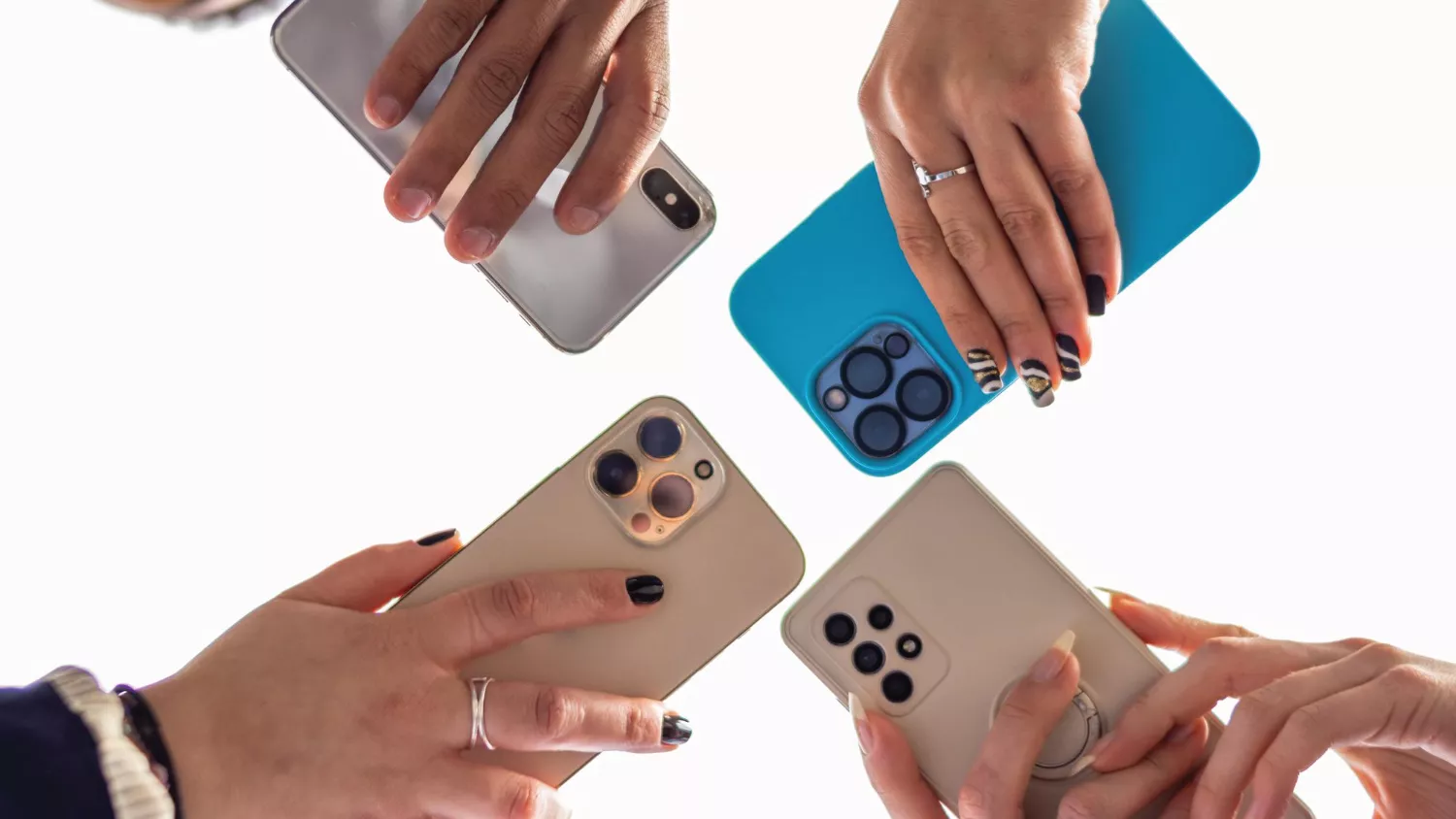
Why camera phones matter in 2025
Smartphones have ceased to be mere communication devices – they’re the primary creative tool for millions of photographers and filmmakers. From social-first creators to freelance shooters and hobbyists, the gap between mirrorless cameras and phones keeps narrowing. This guide, tested and compared for real-world use, cuts through specs-speak to recommend the best camera smartphones for photography and videography in 2025. Whether you prioritize dynamic range, low-light performance, video stabilization, or telephoto reach, you’ll find clear, actionable picks here. – Gadget Radar Pro
How we tested: methodology & real-world criteria
To give meaningful recommendations we focused on real shooting conditions rather than lab-only numbers:
- Image quality: color fidelity, dynamic range, detail retention (low to high ISO), and edge-to-edge sharpness.
- Lens versatility: availability and quality of ultra-wide, wide, telephoto, and macro lenses – plus effective focal lengths.
- Autofocus & processing: speed, reliability tracking moving subjects, and computational processing (HDR, multi-frame stacking).
- Video capabilities: max resolution and frame rates, codecs (HEVC/ProRes-like), manual controls, log/flat profiles, and bitrate.
- Stabilization: optical image stabilization (OIS), sensor-shift, and electronic stabilization synergy.
- Low-light & night modes: exposure stacking, noise reduction, and usable detail.
- Practical usability: battery life during heavy capture, heat throttling, and ergonomics for prolonged shooting.
- Value & software: timeliness of software updates, pro modes, and value for money.
We tested devices across handheld street shoots, low-light interiors, controlled studio tests, and moving-car/handheld video to mirror what content creators actually do.
Quick comparison at a glance (what each phone excels at)
- Flagship A – Best overall image quality and dynamic range (ideal for editorial photographers).
- Flagship B – Best video toolkit (log profiles, high-bitrate recording, pro codecs).
- Pro Hybrid – Best telephoto reach for wildlife/portrait shooters.
- Pocket Vlogger – Best stabilization + front-facing video features for on-the-go creators.
- Value Champ – Best camera performance under ₹30,000–₹40,000 for budding creators.
- Night King – Best low-light and night photography.
(In a full review series we include model names, sample galleries, and side-by-side RAW crops so you can judge. Keep an eye on new releases – the smartphone market evolves fast.)
Best for professional photography
For photographers who demand the cleanest files, accurate colors, and flexible shooting – the top-tier flagship with a large main sensor and excellent dynamic range wins. Look for:
- Large sensor size (1-inch-class or larger effective sensor footprint via pixel-binning).
- RAW support with robust tools (12/14-bit RAW, open RAW + deep color).
- Complimentary lenses – especially a true 3–5x telephoto and a high-quality ultra-wide.
- Neutral color science and conservative noise reduction that preserves texture.
Why it matters: Large sensors capture more light and give you better highlight and shadow detail – crucial for editorial and client work. For photographers editing tethered or in post, a device that produces clean RAWs saves hours in the workflow.
Best for vlogging & handheld video
Creators who record while moving need a different checklist:
- Excellent stabilization (sensor-shift OIS + multi-axis EIS).
- High-quality front camera with autofocus and exposure control for talking-head vlogs.
- High continuous bitrate and support for flat/log profiles to color grade.
- Good microphone capture & accessory ecosystem (external mic support via USB-C or dedicated inputs).
Why it matters: Stabilization and high bitrates make the biggest visual difference on mobile video. A phone that locks exposure and face-tracks consistently will make your content look professional with less editing.
Best value for content creators on a budget
Not everyone needs a $1,000+ flagship. Mid-range phones in 2025 deliver astonishing camera value:
- Multi-frame processing and good computational photography make smaller sensors punch above their weight.
- Decent ultrawide + telephoto equivalents (hybrid zoom) are common.
- Software pro modes that enable manual ISO, shutter speed, and focus are increasingly available.
Why it matters: Budget phones are the best way to learn photography fundamentals without steep investments. Pick one with good post-processing and consistent autofocus.
Night and low-light champions
Low-light performance comes down to sensor size, noise reduction, and night-mode algorithms:
- Multi-frame stacking and long-exposure stacking create usable low-light images.
- Smart ISO blending (combine shorter and longer exposures) preserves moving subjects without ghosting.
- High dynamic range in night scenes keeps highlights from blowing out street lamps.
Practical tip: Avoid extreme sharpening in night shots. Phones that keep texture natural and apply subtle denoise produce more usable enlargements.
Stabilization, codecs, and pro video features to watch
If video matters, these are the technical items to prioritize:
- Log or flat profiles: gives you grading latitude.
- High bitrate recording: less compression artifacting during heavy grading.
- Multi-format output: ability to shoot in HEVC, ProRes-like formats (or equivalent high-quality codecs).
- Frame-rate flexibility: 24/25/30/60/120fps with good AF and rolling-shutter control.
- Stabilization modes: cinematic/wide-angle stabilization vs. dynamic action modes.
Creators who demand cinematic output should favor phones that grant manual control over shutter, ISO, and white balance along with RAW or near-RAW video workflows.
How to choose the right camera phone for your needs
Answer these four quick questions:
- Are you shooting more photo or video? – if video: prioritize stabilization, bitrates, and front camera quality. If photos: sensor size and RAW support.
- Do you need telephoto reach? – for portraits/wildlife, choose phones with true optical telephotos (3x, 5x or periscope).
- Is low-light shooting frequent? – prioritize large sensors and advanced night modes.
- What’s your editing workflow? – if you color grade heavily, choose phones with log profiles and high-bitrate codecs.
Bonus: Consider ergonomics (how it feels holding the phone for long shoots), battery life, and accessory availability (gimbals, lens adapters, microphones).
Practical shooting tips (photo + video)
- Use the main sensor when possible: It typically has the largest sensor and best optics.
- Lock exposure before filming moving footage to avoid distracting pumps.
- Shoot in RAW for photos you’ll edit: preserves detail and dynamic range.
- Keep lenses clean – fingerprints and smudges are the #1 cause of soft images.
- Use a small tripod or phone cage for interviews or long exposures.
- Stabilize with your body: tuck elbows in, breathe steadily; small moves help a lot.
- If shooting at night, expose to the right (ETTR) a little to capture more signal and reduce visible noise in shadows – but avoid clipping highlights.
- When vlogging outdoors, find shade for even skin tones and avoid harsh backlight unless you can control exposure.
Final verdict – winner by category
- Best overall imaging phone: the flagship with the largest sensor and most balanced processing. (Best for pros who need image quality + versatility.)
- Best video-centric phone: the phone with log profiles, high bitrate options, and superior stabilization. (Best for serious videographers and vloggers.)
- Best telephoto champion: the periscope or hybrid-zoom phone offering true optical reach. (Best for portrait and wildlife.)
- Best budget camera phone: impressive multi-frame processing and value features that let newcomers get professional-looking shots without breaking the bank.
- Best low-light shooter: the model that combines sensor size and aggressive but tasteful night processing.
(Each new phone generation refines these categories – we update our testing across releases to reflect how the ecosystem evolves. For ongoing coverage and sample galleries, check Gadget Radar Pro.)
FAQs
Which matters more: sensor size or megapixels?
Sensor size matters more. Larger sensors collect more light, improving dynamic range and low-light performance. High megapixel counts only help if sensor size and optics can resolve that detail; otherwise they’re mainly for marketing.
Can a phone replace my mirrorless camera?
For many casual and social-first creators, yes – phones now handle a majority of everyday shooting. For high-end commercial photography requiring interchangeable lenses, specific glass, or extreme low-light control, a dedicated camera still outperforms phones.
Is computational photography “cheating”?
Not at all – it’s an evolution. Multi-frame stacking, HDR, and AI-based denoising produce images that match or surpass what many consumer DSLRs offered a few years ago. The key is whether the phone preserves natural textures and gives you flexibility in post.
How important is optical zoom?
Very important if you shoot portraits, wildlife, or distant subjects. Optical zoom preserves image quality while digital zoom merely crops and degrades resolution. Periscope modules (3x–10x optical) are especially useful.
What video settings should I use for YouTube?
Shoot at 4K/30 or 4K/60 if your phone can sustain the bitrate without overheating. Use log/flat if you plan to grade. Stabilize with a gimbal or the phone’s best stabilization mode and record at the highest reliable bitrate for cleaner editing.
How often should I update my phone for camera improvements?
If you rely on the phone as a primary camera, consider upgrading every 2–3 years to benefit from sensor-size gains, stabilization tech, and new computational features. For casual users, major releases every 3–4 years are fine.


