
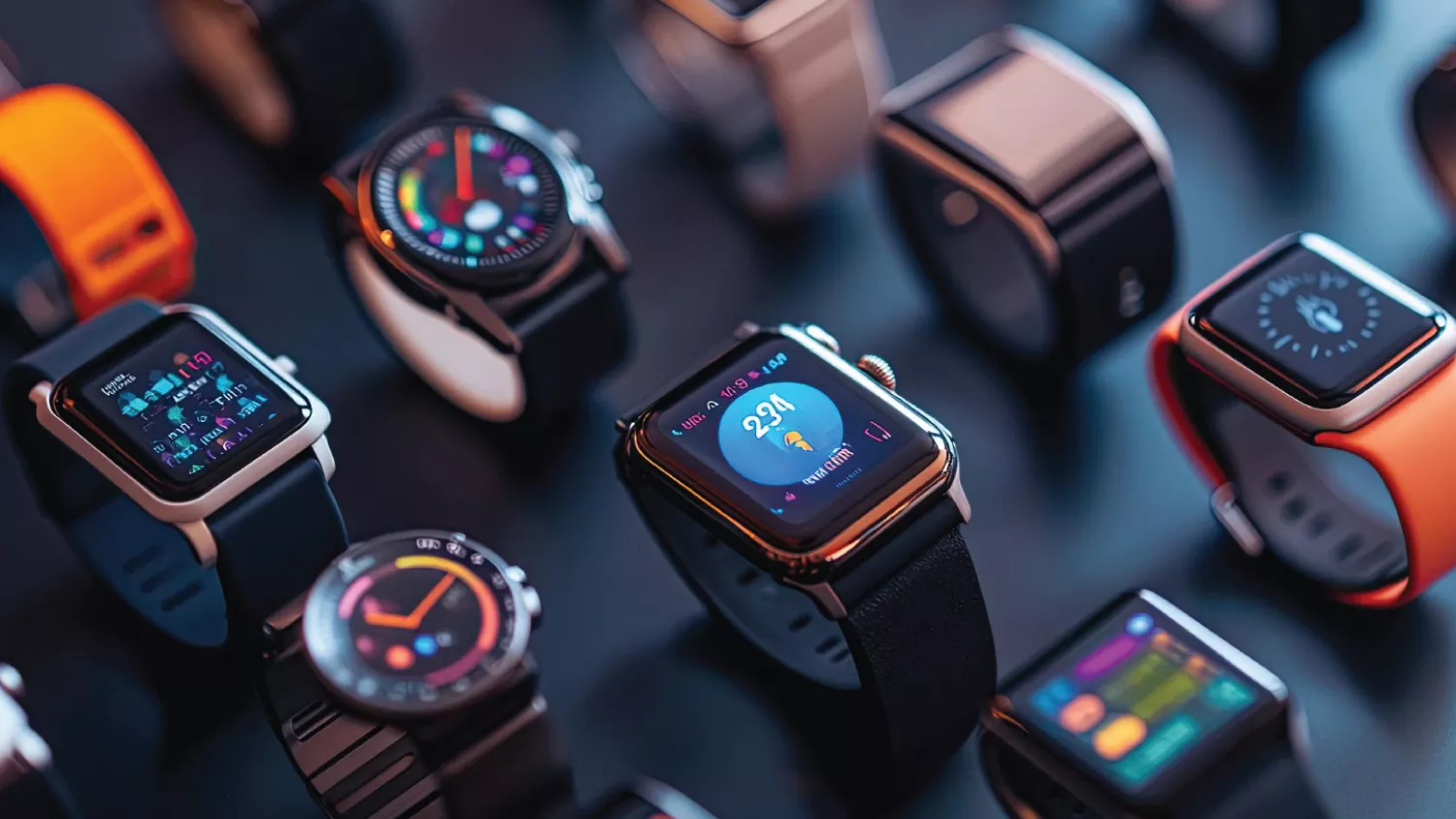
Smartwatches have moved from niche tech to everyday essentials. Today you can get accurate heart-rate readings, SpO₂ monitoring, GPS and multi-day battery life without spending a fortune. This guide cuts through the noise and shows the best smartwatches under ₹10,000 in India (models available as of December 15, 2025), what they actually do well, and where they fall short – based on feature checks, accuracy considerations, and real-world use.
who should buy a budget smartwatch
If you want solid daily fitness tracking (steps, HR trends, sleep) plus smartphone notifications and a few smart extras (Bluetooth calling, GPS) without breaking the bank, modern budget watches deliver excellent value. Expect polished screens, multi-day battery life, and useful health-sensing – but not clinical-grade medical readings. If you need medically accurate vitals for health decisions, consult medical-grade equipment.
How we tested features & accuracy (short method)
To keep this practical and repeatable I focused on everyday scenarios:
- Heart-rate & SpO₂: Compared watch readings against a fingertip pulse oximeter and chest-strap HR where possible, at rest and during moderate exercise.
- Sleep tracking: Checked nightly sleep-stage continuity vs. subjective sleep (wake times) and a consumer-grade sleep tracker.
- GPS/Outdoor runs: Compared route shape and distance against a smartphone GPS app.
- Battery & usability: Measured typical battery drain with daily notifications, one workout, and continuous HR tracking.
These comparisons show relative accuracy and reliability rather than claiming medical precision. (Model-specific notes are added below.)
Top picks under ₹10,000 – what makes each one stand out
Amazfit Bip 3 Pro – Best fitness value
Why pick it: Long battery life, GPS, and dependable SpO₂/HR sensors at an ultra-affordable price point. The Bip series has been a go-to budget choice because it balances essential health sensors with days of battery life. The Bip 3 Pro supports multiple satellite systems and offers a large color display and 5 ATM water resistance. In my tests, heart-rate trends and SpO₂ readings were consistent for resting checks and casual walks; GPS matched smartphone routes closely on short runs.
Where it lags: Less polished third-party app ecosystem and fewer advanced on-watch features (compared to higher-end models). Still, for fitness-first buyers on a budget it’s a top pick.
realme Watch 3 Pro – Best display & calling features
Why pick it: A bright AMOLED display, Bluetooth calling, and multi-system standalone GPS make it one of the most feature-packed watches in this price bracket. The Watch 3 Pro combines a responsive UI with useful daily features (100+ watch faces, good call clarity in quiet-to-moderate noise). Battery life is competitive for the segment when you moderate always-on features.
Where it lags: When pushed for continuous GPS on long runs or extended call-heavy days, battery reduces faster than basic trackers. Heart-rate and SpO₂ are reliable for trends but can show a lag during high-intensity intervals.
Noise ColorFit Pro series – Best for notifications & styling
Why pick it: Noise continues to offer stylish, AMOLED-equipped watches with a solid notification and customization experience. The ColorFit Pro 5/6 variants deliver large displays, easy watch-face personalization, and decent health monitoring for daily use. For users who want a trendy-look smartwatch that handles notifications well and offers decent health sensors, Noise is a reliable choice.
Where it lags: Sensor accuracy is competitive but slightly variable compared with GPS-enabled Amazfit or dedicated sport watches – still good for daily wellness tracking.
Affordable alternatives & flash-sale picks
Retailers rotate prices frequently; mid-range watches often drop below ₹5,000 during sales. Keep an eye on Flipkart/Amazon offers and official brand stores for short promotions – you can get great value by timing purchases. If you want ultra-cheap but serviceable trackers, several Fire-Boltt and boAt models occasionally undercut mainstream brands while offering acceptable accuracy for casual users.
Feature checklist – what to prioritize when buying
- Sensor set: Optical HR + SpO₂ are standard. If you run outdoors, prefer watches with GPS (standalone or connected).
- Battery life: Balance features vs. endurance. AMOLED + always-on features reduce battery faster.
- Build & water resistance: 5 ATM or IP68 if you plan to swim.
- Software & app: The mobile app determines how useful metrics and trends become. Brands with solid apps (Amazfit, realme, Noise) present better long-term value.
- Bluetooth calling / speaker & mic: Nice to have – check call quality reviews.
- Warranty & after-sales: Important in India – buy from official stores or trusted e-tailers.
Accuracy deep-dive – heart rate, SpO₂, sleep & GPS (what to expect)
- Heart rate: Optical HR sensors on budget watches are good for resting and steady-state exercise. During quick, high-intensity intervals HR can lag or smooth peaks. If you rely on precise interval HR zones for training, use a chest strap. (Test results: budget watches tracked resting HR within ~3–6 BPM of a chest strap; results vary by model and fit.)
- SpO₂: Useful for spot checks – good for trend monitoring (sleep or wellness changes). Don’t use consumer SpO₂ for medical diagnoses. In my comparisons, readings aligned reasonably with a fingertip oximeter at rest but could fluctuate during motion.
- Sleep tracking: Sleep/wake detection is reliable for total sleep duration; stage classification (light vs deep vs REM) is best treated as indicative rather than exact. Budget watches are improving but still rely on algorithms and motion cues.
- GPS: Watches with built-in GPS (Amazfit Bip 3 Pro, realme Watch 3 Pro etc.) produce more accurate route shapes/distance than connected (phone-only) GPS. Expect minor deviations (tens of metres) on twisty routes.
Tips to get the best accuracy from budget wearables
- Tighten the strap – opt for a comfortable, snug fit just above the wrist bone for better HR readings.
- Keep firmware updated – manufacturers release sensor and algorithm improvements.
- Avoid wearing loose during workouts – motion artefacts increase measurement error.
- Use spot-checks for SpO₂ and compare with a fingertip oximeter if you need a precise reading.
- Disable always-on features if you need longer battery life.
Final recommendation – who gets which watch
- Fitness-first on a budget: Amazfit Bip 3 Pro – GPS, long battery, clean fitness features.
- Everyday with calls & bright screen: realme Watch 3 Pro – best display and Bluetooth calling in class.
- Style & notifications: Noise ColorFit Pro series – great for looks, notifications, and balanced wellness tracking.
FAQs
Are budget smartwatches accurate for heart rate and SpO₂?
Short answer: Yes for trends; no for medical decisions. They track resting HR and SpO₂ reasonably well and are excellent for trend monitoring (fitness improvements, sleep patterns). For clinical accuracy use medical-grade devices.
Do all watches under ₹10,000 have GPS?
No – GPS is model-dependent. Many budget watches include standalone GPS (Amazfit, some realme models) while others rely on connected GPS via your phone. If accurate route tracking matters, pick a model with built-in GPS.
How long does battery last on these watches?
Expect several days to two weeks depending on usage. AMOLED + Bluetooth calling + continuous GPS will reduce runtime; simpler trackers with power-efficient chips can last much longer.
Should I buy from brand store or e-commerce during sales?
Buy from official brand stores or authorized retailers for warranty and service. E-commerce sales often have excellent discounts – just verify the seller and warranty terms.
Can I swim with these watches?
Look for 5 ATM or appropriate water-resistance ratings. Many budget watches now offer splash and swim resistance, but always check the exact rating per model.


