
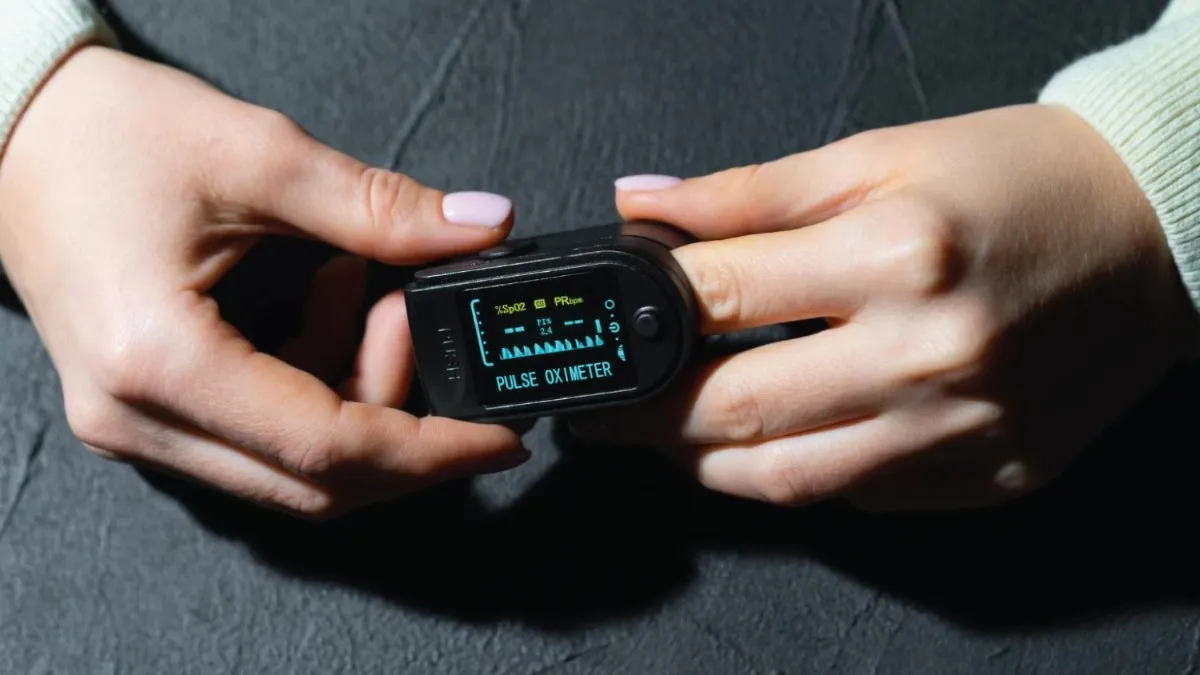
Why health wearables matter
Wearable devices have moved far beyond step counters and notification relays. Today’s smartwatches and fitness bands are small, continuous health monitors on your wrist – measuring heart rate trends, blood-oxygen saturation (SpO₂), sleep stages, and more. For many people these devices are an early-warning system: spotting abnormal heart rhythms, tracking sleep decline, or flagging low blood oxygen during workouts or illness. In this guide from Gadget Radar Pro, you’ll learn what to look for, how these sensors work, and how to choose a device that fits your health goals.
What health metrics modern wearables track
Modern health wearables commonly include:
- Continuous heart rate (HR) – resting HR, active HR, HR variability (HRV) trends.
- SpO₂ (blood-oxygen saturation) – spot checks or continuous monitoring during sleep/exercise.
- Sleep tracking – sleep stages (light, deep, REM), sleep duration, and sleep quality scores.
- Activity & workouts – calories, steps, cadence, and exercise-specific metrics.
- Stress & recovery – HRV-based stress scores and guided breathing.
- ECG or rhythm detection – on-demand ECGs or atrial fibrillation (AFib) screening (on certain devices).
- Respiratory rate – breaths-per-minute trends during rest or sleep.
- Temperature sensors – trend-based body or skin temperature monitoring.
Not every wearable includes every metric – and how they measure and report results varies. Understanding that difference helps you pick the right device.
How wearables measure heart rate, SpO₂ and sleep (brief tech primer)
- Heart rate: most wearables use photoplethysmography (PPG) – small LEDs shine light into the skin and photosensors detect blood volume changes. Advanced devices use multiple LEDs, better algorithms and higher sampling rates for more accurate continuous HR.
- SpO₂: pulse oximetry on wearables uses red and infrared light to estimate oxygen saturation by measuring how blood absorbs different wavelengths. Accuracy depends on sensor placement, movement, skin tone, and sampling frequency.
- Sleep: wearables infer sleep stages using combinations of motion (accelerometer), heart rate patterns, HRV and sometimes SpO₂ or skin temperature. Stage detection is an algorithmic estimate – useful for trends, but not a full clinical sleep study.
Who should use a health-focused wearable? (use cases)
- Everyday wellness seekers: want to track sleep, stress, and daily activity to improve habits.
- Fitness enthusiasts: require reliable heart-rate zones and recovery metrics for training.
- People with chronic conditions: such as hypertension, sleep apnea risk, or cardiac concerns – to monitor trends (always under a clinician’s guidance).
- Shift workers & travelers: tracking sleep quality and circadian disruptions.
- Anyone interested in early alerts: wearables can highlight sudden deviations that warrant medical follow-up.
Wearables are best used as trend and screening tools – not as definitive diagnostic devices.
How to choose the best wearable for health monitoring – checklist
Use this checklist to narrow choices:
1. Accuracy & sensor quality
- Look for multiple LEDs and higher sampling rates for HR/SpO₂.
- Devices offering on-demand ECG or validated AFib screening for cardiac concerns.
2. Continuous vs spot-check
- Do you want 24/7 SpO₂ and HR or occasional spot checks only?
3. Sleep-detail depth
- Basic sleep duration vs full stage analysis and respiratory event detection.
4. Data access & export
- Can you export raw data or trends for a clinician? Open APIs or CSV export is a plus.
5. Battery life vs functionality
- Higher sampling and always-on sensors drain battery faster – balance needs.
6. Comfort & wearability
- Does it fit your wrist comfortably overnight? Skin contact is essential for reliable readings.
7. Software & insights
- Actionable insights (recovery guidance, trend alerts) beat raw numbers.
8. Regulatory features
- FDA clearance or CE mark for ECG/AFib features is a plus for medical reliability.
9. Privacy & local storage
- Clear data policies and options for local backups or controlled sharing.
10. Budget & ecosystem
- Consider companion apps, phone compatibility, and future upgrades.
Categories of top wearables (and what each is best at)
Rather than naming specific models (these change fast), think in categories:
a) Premium smartwatches – best all-rounders
These combine advanced sensors (multi-wavelength PPG, ECG, temperature), polished apps and strong third-party support. Ideal if you want daily health metrics and smartwatch features like calls, payments and apps.
Best for: users who want clinical-feel features and polished user experience.
b) Fitness-focused wearables – best for athletes
Lightweight devices built for activity tracking: accurate heart-rate zones, recovery insights, and long battery life. They may favor sampling for workouts and have advanced metrics like VO₂ max estimation.
Best for: runners, cyclists, and structured training programs.
c) Dedicated sleep & health trackers – best for overnight monitoring
These prioritize overnight sampling-continuous SpO₂, respiratory rate, and detailed sleep staging. Designed to be comfortable for all-night wear and often provide deeper sleep reports and trend analysis.
Best for: people whose primary goal is sleep improvement or suspected sleep disorders.
d) Medical-grade wearables & patches – best for clinical monitoring
Prescription or clinician-recommended wearables and adhesive patches can offer FDA-cleared rhythm monitoring, long-term ECGs, or continuous oxygen monitoring. These are used under medical supervision.
Best for: patients needing diagnostic-level monitoring.
e) Budget bands – best for casual monitoring
Affordable bands now provide heart rate and basic sleep tracking. They’re good for habit-building and general wellness, but expect reduced sensor fidelity and fewer advanced metrics.
Best for: beginners and price-conscious users.
Keeping data useful: syncing, privacy, and medical accuracy
- Syncing: Regular syncing keeps trend data backed up and accessible on companion apps. Look for cloud export or the ability to download health reports for clinicians.
- Privacy: Review the wearable maker’s privacy policy. Prefer vendors that anonymize data, allow opt-outs for research, and let you delete data.
- Medical accuracy: Wearables are improving, but they’re not a replacement for clinical tests. Use them to detect trends and prompt medical appointments when you see worrying deviations (consistently high resting HR, dropping SpO₂, or interrupted sleep with breathing pauses).
Maintenance, battery & wearing tips for reliable readings
- Fit matters: PPG sensors need stable skin contact. Wear slightly snug (not tight) and position the device about one finger-width above the wrist bone for consistency.
- Clean sensors: Wipe sensor lenses and the backside regularly – sweat and grime reduce accuracy.
- Charge habits: Charge during predictable downtimes (shower, desk work) to keep overnight monitoring uninterrupted. If overnight metrics matter most, charge midday.
- Firmware updates: Keep firmware and app updated – sensor algorithms are frequently improved via updates.
- Environmental caution: Cold extremities and strong sunlight can affect readings; avoid exposing the sensor to extreme conditions during measurements.
Making wearables work for your health
Wearables for heart rate, SpO₂, and sleep tracking are powerful tools when used for trends, habit change, and early detection. The “best” wearable depends on your priorities: clinical-grade accuracy, athletic metrics, sleep depth, battery life or price. Pair the hardware with consistent wear, proper placement, and regular syncs – and treat the data as a conversation starter with healthcare professionals when needed.
For up-to-date model comparisons, hands-on reviews, and the latest firmware-driven improvements, check back with Gadget Radar Pro – we update our roundups as wearables evolve.
FAQs
Are wrist-worn SpO₂ readings accurate enough to detect health problems?
Wrist SpO₂ readings provide useful trends and can flag sudden drops, but they’re influenced by motion, skin tone, and fit. For clinical decisions (e.g., diagnosing hypoxemia), use a medical pulse oximeter or consult a healthcare professional.
Can wearables detect arrhythmias like atrial fibrillation?
Some devices include ECG features or AFib screening algorithms that can detect irregular rhythms and prompt further testing. These features are helpful as screening tools, but a clinician’s diagnostic ECG is still the gold standard.
How reliable is sleep stage tracking from wearables?
Wearables estimate sleep stages using motion, heart-rate patterns, HRV and sometimes SpO₂. They’re useful for spotting trends (less deep sleep, fragmented nights) but are not as precise as polysomnography performed in a sleep lab.
How often should I wear my device to get meaningful health trends?
For most trend-driven insights, wear your device nightly and during key daytime activities (workouts, rest periods) for at least a few weeks. Consistency is more valuable than sporadic high-accuracy sessions.
Will skin tone affect my wearable’s readings?
PPG and pulse oximetry can be influenced by skin pigmentation and tattooed skin. Many manufacturers are improving algorithms to reduce bias, but it’s something to consider if readings seem inconsistent.
Should I share my wearable data with my doctor?
Yes-exported trend reports or graphs can help clinicians understand your daily patterns. But clarify with your clinician what they’re willing to review and bring summaries rather than raw, unfiltered data.


